Antwis Collaborative, are delighted to announce the launch of a new blog series: The Leadership Lens: monthly reflections from Antwis Collaborative.
This series is for those who lead schools—whether as principals, headteachers, department heads, or aspiring leaders—and for anyone seeking thoughtful perspectives on the practice, purpose, and possibilities in educational leadership.
The Leadership Lens is more than a collection of blogs; it is a monthly invitation to pause, refocus, and lead with intention. From, real-world experiences and evidence-based insights, each edition seeks to spark reflection, provoke meaningful dialogue, and inspire action. Our ambition is to foster a space where school leaders can explore the complexities of their roles, share successes and setbacks, and connect with a network of thoughtful practitioners.
The Leadership Lens aims to offer a moment of stillness amid the storm—a regular space to consider not only how we lead, but why we lead.
Leadership Lens 2026/27
A new academic year brings new challenges, new questions and plenty of opportunities to reflect on what really matters in leadership.
Throughout 2026/27, The Leadership Lens will continue to explore the realities of leading in education — sharing practical insights, reflections, research and lessons from experience.
Our aim is simple: to provoke thought, encourage conversation and support leaders to lead with clarity, compassion and purpose.
September
My First Tattoo: Lessons in Leadership
At 55, I finally got my first tattoo!
What does this have to do with school leadership? Quite a lot.

October
The Gift of Time....
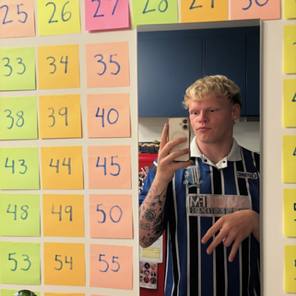
From a rather unexpected World Cup Room to lessons learned as a headteacher, we reflect on how small changes can make a big difference.

November
New blog coming soon....










The Leadership Lens | 2025/26
Over the past academic year, The Leadership Lens has been Antwis Collaborative's space to reflect on the realities of school leadership. Through practical, research-informed blogs, we've explored the challenges, opportunities and everyday moments that shape great leadership.
Whether you're revisiting a favourite or discovering them for the first time, we hope these reflections offer ideas, encouragement and food for thought as you lead with purpose.